

flexible PCB supplier’s capabilities
When choosing a flex PCB supplier, it is important to carefully evaluate each prospect based on their quality systems, manufacturing capabilities, and industry expertise. This evaluation process can be achieved by requesting samples, conducting facility audits, and building open communication. By following these steps, you can confidently select the optimal flexible PCB manufacturer for your project.
FPCs (Flexible Printed Circuit Boards) are used in electronic products like mobile phones, tablets, automotive electronics, and household appliances. They provide a variety of design and engineering benefits such as higher reliability in dynamic environments, the ability to conform to enclosures, weight reduction, increased high-frequency performance, and more. But not all suppliers are created equal, and choosing the wrong one can result in expensive delays, costly redesigns, and unnecessarily high production costs.
During your search for the perfect flexible pcb supplier, it is important to consider your project requirements, the number of layers, and other specifications. In addition, you should also examine the supplier’s history and reputation in the industry. This will help you to avoid wasting time with prospects who are not a good fit for your project.
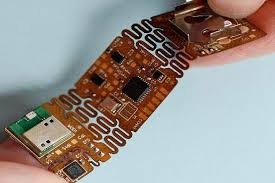
How to verify a flexible PCB supplier’s capabilities?
As you narrow down your selections, you should assess the supplier’s pricing structure and compare it to those of other potential partners. It is also helpful to understand the supplier’s lead times and production capacity. This will ensure that the supplier can meet your deadlines and handle the required volumes.
Additionally, you should determine whether the prospective supplier uses panel plating or button plating to deposit copper onto a production panel. Button plating is more versatile and allows for improved copper thickness, etch yields, and trace spacing. It is also more conducive to regulated impedance on flex traces.
Another important consideration is the stackup and raw materials that the supplier will use for your flex PCB. It is essential to choose a material that can withstand the mechanical stress of bending. Furthermore, it is critical to use a layer structure that will prevent the formation of stress cracks and fractures.
In addition, you should also inquire about the supplier’s inspection and testing processes. This will allow you to verify that the finished product meets your quality standards. Ideally, the supplier should offer electrical testing and may also provide additional types of testing upon request.
You should also be sure that the flexible PCB supplier you choose is up to date with the latest technological advancements in the industry. This will ensure that they are able to provide you with high-quality, reliable flex PCBs for your unique applications.
If you are ready to start your search for the right flex PCB supplier, click here to learn more about YUKO’s capabilities. Our team has over 21 years of industry experience, and we speak fluent English to ensure seamless communication with our customers. Contact us today to discuss your specific needs and request a quote. We look forward to partnering with you!


