

play in reflow soldering for Pc board assembly
In the intricate process of PC board assembly, reflow soldering stands as a cornerstone method for creating reliable electrical connections between components and the board. Preheating, a crucial phase within the reflow soldering process, plays a pivotal role in ensuring the success and quality of the soldering operation. In this article, we explore the significance of preheating in reflow soldering for PC board assembly and its impact on the overall assembly process.
Preheating serves as the initial stage of the reflow soldering process, preparing the pc board assembly and components for the subsequent solder reflow process. By gradually heating the PCB and components to a specified temperature below the melting point of the solder paste, preheating helps minimize thermal shock and thermal gradients, reducing the risk of component damage and solder joint defects during solder reflow. This gradual heating process allows for uniform expansion of materials, minimizing the risk of warpage, delamination, and mechanical stress on the PCB and components.
Moreover, preheating helps activate the flux in the solder paste, promoting the removal of oxides and contaminants from the metal surfaces and ensuring proper wetting and adhesion of the solder to the component leads and PCB pads. Flux activation occurs gradually during the preheating phase, allowing the flux to penetrate and clean the metal surfaces before the solder reflow process begins. This ensures the formation of reliable, void-free solder joints with strong mechanical and electrical connections.
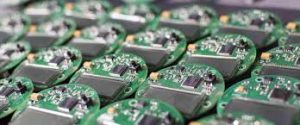
What role does preheating play in reflow soldering for Pc board assembly?
Furthermore, preheating plays a crucial role in controlling the reflow soldering temperature profile and achieving optimal solder joint formation. By preheating the PCB and components to a specific temperature range before entering the reflow oven, manufacturers can reduce the thermal gradient between the top and bottom layers of the PCB, minimizing the risk of tombstoning, warping, and other soldering defects. Additionally, preheating helps reduce the thermal load on the reflow oven, allowing for more precise temperature control and uniform heating of the PCB assembly during the solder reflow process.
In addition to promoting flux activation and controlling temperature profiles, preheating also helps reduce the energy consumption and cycle time of the reflow soldering process. By preheating the PCB and components to a significant portion of the reflow temperature before entering the reflow oven, manufacturers can minimize the time and energy required to raise the assembly to the target reflow temperature. This not only reduces the overall energy consumption of the soldering process but also improves throughput and productivity by reducing cycle times and increasing equipment utilization.
Moreover, preheating is essential for ensuring the reliability and integrity of solder joints, especially in complex or dense PCB assemblies with high component densities and thermal mass. In such assemblies, proper preheating is critical for ensuring uniform heating and solder reflow across all components and PCB areas, minimizing the risk of insufficient solder wetting, void formation, and other soldering defects. Additionally, preheating helps reduce the risk of thermal shock and mechanical stress on sensitive components, such as surface mount devices (SMDs) and fine-pitch components, ensuring their long-term reliability and performance.
In conclusion, preheating plays a crucial role in reflow soldering for PC board assembly, facilitating flux activation, controlling temperature profiles, reducing energy consumption, and ensuring the reliability and integrity of solder joints. By implementing proper preheating techniques and parameters, manufacturers can achieve consistent, high-quality soldering results, minimize soldering defects, and enhance the reliability and performance of electronic devices. As the demand for high-density, high-performance PCB assemblies continues to grow, the importance of preheating in reflow soldering for PC board assembly cannot be overstated, driving advancements and innovations in soldering technology and process optimization.


