

Balling During PCB Flex Printing
The solder ball is a clump of metal alloy that is formed on the surface of a PCB after it’s been through the reflow process. These balls are not only unsightly, but they also interfere with the functionality of a PCB. They can block conductive paths and lead to shorts. To prevent solder balling, there are several measures that must be taken into consideration by the manufacturer. These measures include clean stencils, proper application of flux, and using a preheat temperature that is appropriate for the pads on the PCB.
The best way to avoid solder balling is to ensure that the pads on the rigid flex are properly aligned with the corresponding pads on the flex PCB. Ideally, the pads on both boards should line up directly to one another. If this is not possible, then a solder bridge can be made between the two pads. This is not ideal, though, because it will not be as strong as a direct connection.
Solder ball formation can be caused by many different factors. It can occur because of a contaminated stencil, which is a problem that occurs when solder paste is applied to the board through a dirty stencil. It can also happen because of a misalignment between the components and the pads on the PCB, which can result in unbalanced solder forces. Other causes of solder balling include excessive placement pressure and a lack of preheat temperature.
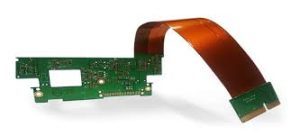
Solder Balling During PCB Flex Printing
Another common cause of solder balling is an uneven distribution of heat over the PCB, which results in a differential in the melting rate of the components. This can occur when the pad on a component is closer to a ground plane than the adjacent pin or trace, which will draw more heat from the component and melt it faster. It can also occur when a hot spot is created on the board, which is a place that receives more heat than others and melts the solder at a faster rate.
Finally, solder balling can be caused by a lack of proper application of the flux, or by too much flux. Too much flux can create a metallic sludge that collapses during printing, and it can cause poor metallurgical bonds that are prone to becoming solder balls. A low activity flux can be just as problematic, creating weak connections that are prone to solder balling.
Solder balling is a serious defect that can affect the quality of your PCBs. It can cause them to short out and even fail. Taking steps to prevent this problem will ensure that your boards are free of these ugly and unreliable defects. If you have any questions or concerns about solder balling, please contact us. We’ll be happy to help!
Strategically place components to minimize stress on solder joints during flexing. Avoid placing components near areas of frequent bending to prevent damage. Choose connectors specifically designed for flex PCBs to ensure reliable connections between rigid and flexible sections. These connectors should accommodate the movement and flexing of the board without compromising signal integrity.


