

Flex PCB Production Methods Are Used in IoT Devices
In the rapidly developing fields of IoT and wearable technology, engineers are aiming to build devices that are compact, lightweight, and highly adaptable. Flexible and rigid-flex circuits allow them to achieve these goals by enabling innovative designs while remaining within space constraints. However, utilizing these circuit types also comes with certain design challenges, including how to deal with mechanical stresses and ensuring that the components are properly secured.
The use of flex pcb production helps reduce costs by allowing manufacturers to pack more components into the same space as traditional rigid boards, which in turn leads to cost efficiency and faster production times. They can also provide a more stable platform for connecting different components, as they are capable of surviving repeated bending and twisting without affecting their electrical performance. This increases durability and reliability, especially in dynamic environments where the device may be subjected to constant movement.
As these circuits are becoming increasingly common in IoT devices, it’s important to understand how they work and how to best incorporate them into your design. To begin with, evaluating the degree of flexibility required is vital. Factors to consider include the bending radius, number of flex cycles, and types of movements the device will undergo.
Then, it’s crucial to select a material suitable for these conditions. Polyimide and polyester (PET) are the most popular options, as they offer both high thermal stability and excellent chemical resistance. To ensure the conductive traces don’t break during flexing, it’s important to route them efficiently. This involves choosing a recommended bend radius for the layer stack-up and placing vias away from stress zones to minimize damage. Finally, using rounded traces instead of sharp ones helps distribute the stress evenly and avoid mechanical damage.
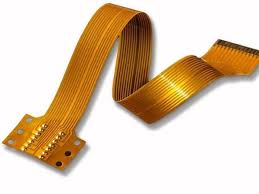
How Flex PCB Production Methods Are Used in IoT Devices
Additionally, it’s essential to use reinforced connectors that can withstand bending and twisting. This is especially true for IoT and wearable devices that are constantly being plugged in, unplugged, and moved around. In addition, using materials that resist humidity and temperature fluctuations and protecting the traces with protective coatings helps prolong the life of the PCB and its components.
Lastly, a proper assembly process is key to achieving high-quality results. The best way to do this is by partnering with a PCB manufacturer that uses advanced manufacturing techniques to ensure your flex PCBs meet high quality standards. The right partner can help you develop a prototype that meets your design specifications while optimizing production processes and speeding up delivery times.
As the demand for IoT products continues to grow, so too does the importance of incorporating reliable, high-quality electronics into these products. Flexible and rigid-flex PCBs are indispensable tools in this effort by enabling innovative designs, enhancing signal integrity, and providing durability in dynamic environments. By leveraging the right production methods, you can create robust and cost-efficient IoT devices that will be able to thrive in today’s competitive marketplace.